Why Children Learn More From What We Do Than What We Say
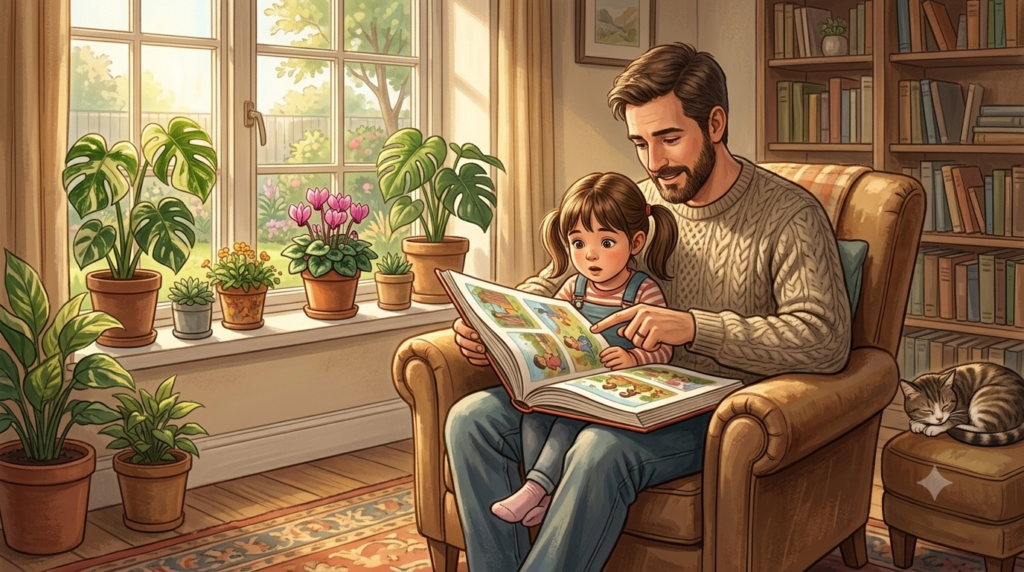
A Simple Observation
Have you ever noticed how children copy the way adults speak, behave, react, and interact with others?
A child may ignore a hundred instructions, but they rarely ignore what they observe.
Parents often tell children to read more books while spending hours on their phones.
Teachers encourage curiosity while sometimes following routines that leave little room for exploration.
Children watch everything.
And that observation shapes their understanding of the world.
In This Article
✓ Why observation is powerful
✓ How children learn naturally
✓ Common mistakes adults make
✓ Practical ways to become a positive role model
✓ Simple actions parents and teachers can take today
The Hidden Power of Observation
From birth, children learn by watching.
Before they can read.
Before they can write.
Before they can fully speak.
They are observing.
They observe how adults communicate.
How they handle stress.
How they solve problems.
How they treat others.
Observation becomes their first classroom.
Children may forget what we tell them, but they rarely forget what we show them.
— Namaora Thought
Why Instructions Alone Don’t Work
Many adults focus on giving instructions:
“Read more.”
“Be kind.”
“Tell the truth.”
“Don’t spend too much time on screens.”
But children compare those instructions with what they observe.
When actions and words do not match, observation usually wins.
Children learn more from consistent examples than repeated advice.
What Research and Experience Tell Us
Educational research and everyday experience both suggest that children learn best through:
✓ Observation
✓ Repetition
✓ Exploration
✓ Play
✓ Relationships
This is one reason why Montessori education places such importance on prepared environments and role modelling.
Everyday Examples of Learning Through Observation
Reading Habits
Children who see adults reading are more likely to develop an interest in books.
Kindness
Children learn empathy by watching how adults treat family members, friends, and strangers.
Screen Time
Children naturally copy the digital habits they observe at home.
Problem Solving
Children learn resilience when they see adults handle challenges calmly and thoughtfully.
Key Takeaways
- ✓ Children learn by observation.
- ✓ Actions influence more than instructions.
- ✓ Parents are the first teachers.
- ✓ Teachers are powerful role models.
- ✓ Small daily habits shape lifelong learning.
Pause & Reflect
What is one habit your child observes from you every day?
Would you like them to continue that habit in the future?
The Namaora Thought
Children may forget our words, but they rarely forget our example.
Continue Your Learning Journey
Explore more articles on parenting, child development, and future-ready learning.
Together, we can help children build strong foundations for life.